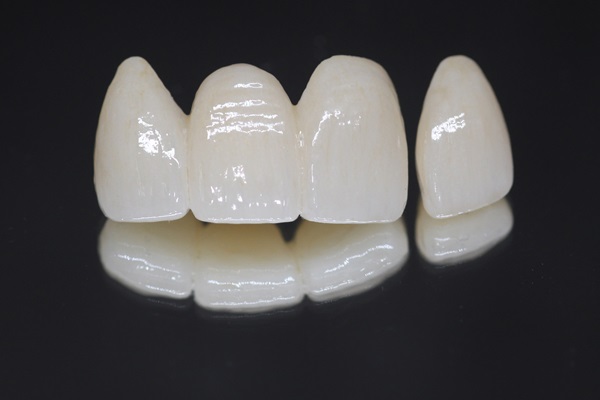
A dental bridge works by filling up the gaps created by lost teeth. Dental implants or crowns support the pontic or prosthetic tooth from either side. Dental bridges provide many benefits, including improving one's ability to eat and communicate. They help protect the jawbone and stop the rest of the teeth from moving into the gap.
The benefits of dental bridges for oral health
Losing a tooth or teeth can be disconcerting. Patients might struggle with chewing and speech articulation. Dental bridges can improve oral health in the following ways:
Stop tooth shifting
The absence of a tooth might cause nearby teeth to move into the gap. As time passes, the jawbone weakens, causing nearby teeth to loosen and finally fall out. Placing a dental bridge across the gap might help keep the adjacent teeth in place. If the dental bridge is anchored on a dental implant, the bone will fuse with the implant to keep the teeth in place. Crowns will act as anchors, allowing bone to develop and cling to them.
Improved oral function
The teeth contribute to the jawbone’s structure and assist in the process of chewing food. Tooth movement due to tooth loss may cause one’s dentition to become crooked, making it difficult to eat and talk. A dental bridge restores the lost tooth and supports the jawbone, ensuring good bite alignment.
Better aesthetics
Having a missing tooth might make the smile seem less healthy, aligned, and consistent compared to having a full set of teeth. Changes in the smile may make individuals feel anxious or self-conscious. A dental bridge may improve the look of the smile by filling up the gap between neighboring teeth. The dentist will work with the patient to create the right dental restoration that gives the best results.
Preserve the jawbone
A dental bridge plays an important function in maintaining jawbone health by preventing it from deteriorating. If a tooth is missing, the jawbone may deteriorate over time, making the face seem older and increasing the likelihood of losing further teeth. The dental implant inside the jawbone provides the necessary stimulation to prevent resorption. This may delay or stop bone degeneration.
Avert further tooth loss
Once the teeth start moving around on the jaw, there is a risk of further tooth loss. Also, plaque and tartar tend to build up in those gaps. If patients fail to replace the tooth, they might be prone to gum disease, which tends to damage gum and bone tissues. This treatment may help protect the tooth's integrity and prevent further deterioration.
The bottom line
If you need a tooth replacement to protect your teeth or gums, a dental bridge may be a great option for you. A dental bridge is intended to be long-lasting and may stay in place for many years. The dentist will examine your dentition during your consultation and introduce you to potential options for replacing the lost teeth. The final dental bridge is customized to fit your mouth, making it indistinguishable from the rest of the teeth. To learn more, book an appointment with our dental office today.
Request an appointment here: https://altamontesmiles.com or call Altamonte Smiles at (407) 543-0798 for an appointment in our Altamonte Springs office.
Check out what others are saying about our dental services on Yelp: Dental Bridges in Altamonte Springs, FL.
Related Posts
A dental bridge can replace a missing tooth or a row of missing teeth. This dental restoration can prevent you from experiencing the complications of tooth loss. Knowing this treatment better can help you prepare for your next visit. Here are some dental bridge benefits that you must consider.Teeth have roots that anchor them to…
Dental bridges are a type of dental restoration for teeth that involve the use of artificial tooth replacement. It can be used to replace missing teeth or in cases where all of an individual's natural teeth have been lost.The bridge is fixed between two healthy teeth. The bridge spans over this area with crowns on…
A damaged dental crown can cause discomfort and disrupt the functionality of your teeth. Whether the crown has cracked, chipped, or fallen out, addressing the issue promptly is crucial for preserving your oral health. Dental crowns are designed to protect and restore damaged teeth, but taking the right steps can prevent further complications when they…
Being unhappy with your smile can impact how you view yourself and socialize. Cosmetic dentists understand this, so they are committed to providing patients with the smile of their dreams. They do this through smile makeovers. Smile makeovers are custom for each patient and encompass various services. Here are the five most common.Dental bonding is…